Nobody replaces a garage door for fun. It happens because the old one has become unreliable, ugly, cold or unsafe, and usually some combination of the four.
We replace residential garage doors across Nashotah and the surrounding communities. Before we talk about new doors, though, we want to be sure replacement is the right answer.
Repair or replace: how we decide
A garage door is a collection of replaceable parts hung on a set of panels. If the panels are sound, almost everything else can be renewed for much less than a new door. So the question is really about the panels and the frame behind them.
| Condition | Usually repair | Usually replace |
|---|---|---|
| Broken springs, cables or rollers | Yes, these are wear parts | Only if the door is also failing elsewhere |
| One dented section, model still made | Swap the section | If sections are discontinued or several are damaged |
| Surface rust on hardware | Clean, treat, replace parts | Rust through the bottom section or skin |
| Wood door with peeling finish | Refinish if the wood is sound | Soft, split or delaminated rails and stiles |
| Noisy, rattling operation | Rollers, hinges, tune-up | Sections loose at every joint from fatigue |
| Cold garage, no insulation | Seals help a little | A proper insulated door is the real fix |
Age on its own is not a reason. We see well-kept steel doors from the nineties that have another decade in them, and neglected doors a third of that age that are finished.
Two other reasons are perfectly valid: you want the house to look better, or you want features the old door cannot give you, such as insulation, windows or quieter operation. You do not need a broken door to justify a better one.
What changes with a new door
Comfort
Older doors are often a single sheet of steel. On a January night the inside face of that sheet is nearly as cold as the outside. An insulated sandwich door keeps the garage many degrees warmer, which matters if there is a bedroom above, a mudroom alongside or water lines in the garage wall.
Noise
Hollow steel acts like a drum. Foam-filled sections deaden it. Combine that with nylon rollers and a balanced spring system and the difference between old and new is startling.
Strength and security
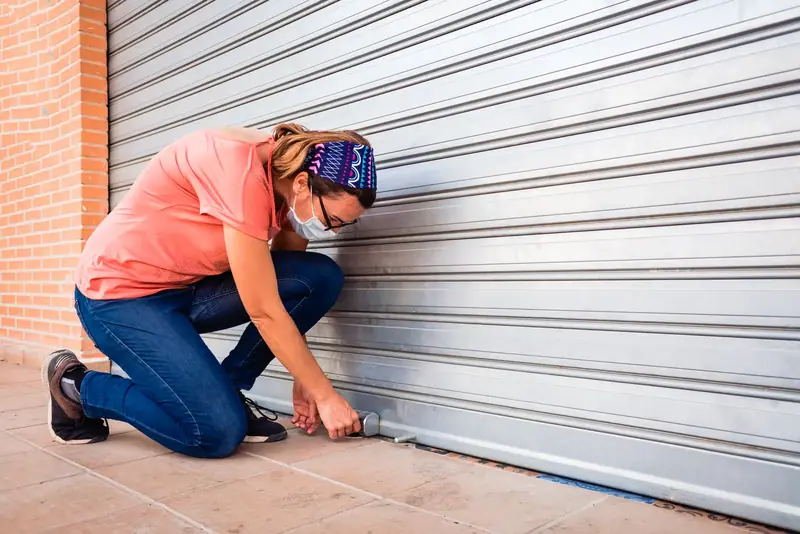
Three-layer doors are far stiffer than single-skin ones, which helps against wind, accidental knocks and forced entry. New doors also come with tamper-resistant bottom brackets and modern lock options.
Appearance
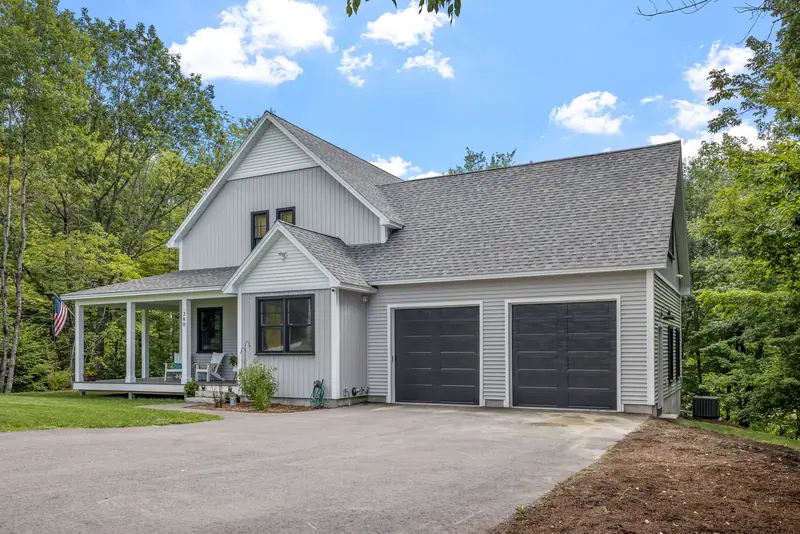
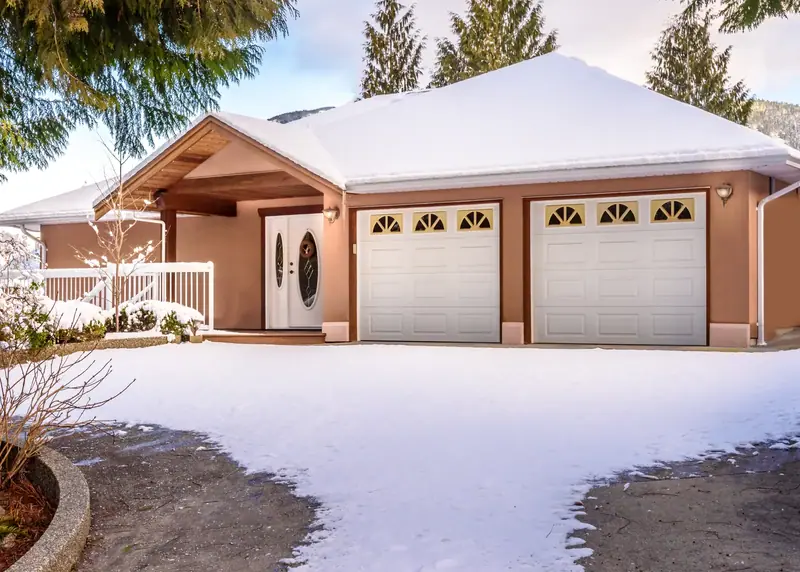
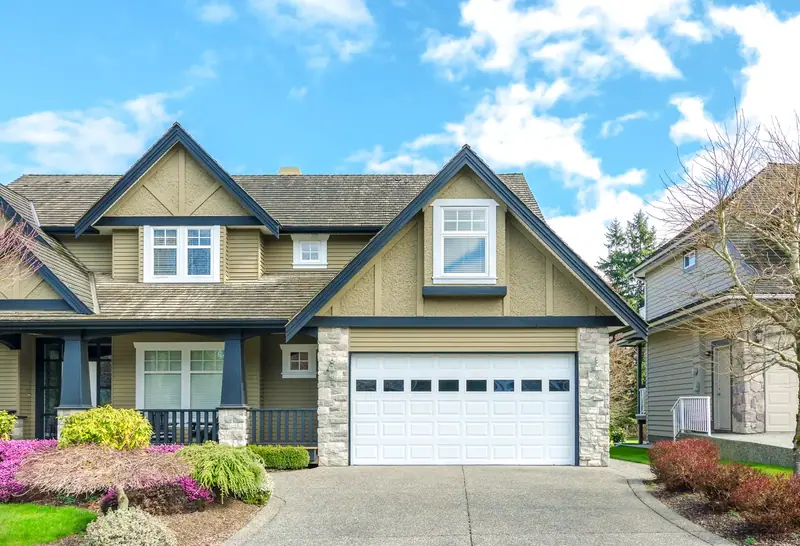
The door is a large part of what people see from the road. Changing a flat, faded door for one with proportions and color that suit the house lifts the whole front elevation. For ideas, see carriage house doors, contemporary garage doors and custom wood doors.
What gets replaced, and what can stay
People are sometimes surprised that we replace the track and springs along with the door. There are good reasons.
Track is made to match a specific door's thickness and roller position. New sections on old track often sit too tight or too loose against the opening. Springs are sized to a door's weight, and a new insulated door almost never weighs the same as the one it replaces. Reusing old springs means an unbalanced door from day one.
Things that often can stay:
- The opener, if it is in good order, has working photo-eyes and enough capacity for the new door. We test it against the balanced new door before deciding.
- The framing and jambs, provided they are solid. Rotted jamb bottoms are common near the slab and are repaired as part of the job.
- Exterior trim, unless you want it changed or wrapped to match.
A typical replacement day
- We protect the floor and move anything close to the tracks.
- Spring tension on the old door is released under control, and the door is taken down section by section.
- Old track, springs, cables and hangers are removed. The opening is inspected, and any soft wood is cut out and replaced.
- New track is set plumb, new sections are stacked and hinged, and the spring assembly is installed and wound.
- New perimeter weatherstripping is fitted and the bottom seal is checked against the floor.
- The opener is reconnected or replaced, travel and force are set, and the safety reversal is tested.
- The old door and all packaging are loaded up and taken away.
Most replacements are finished in a single visit, and the garage is secure again the same day.
Before & after
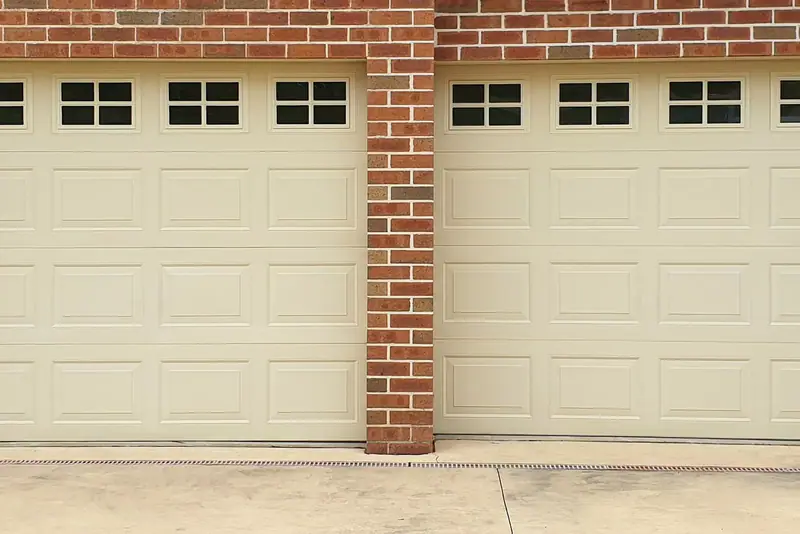
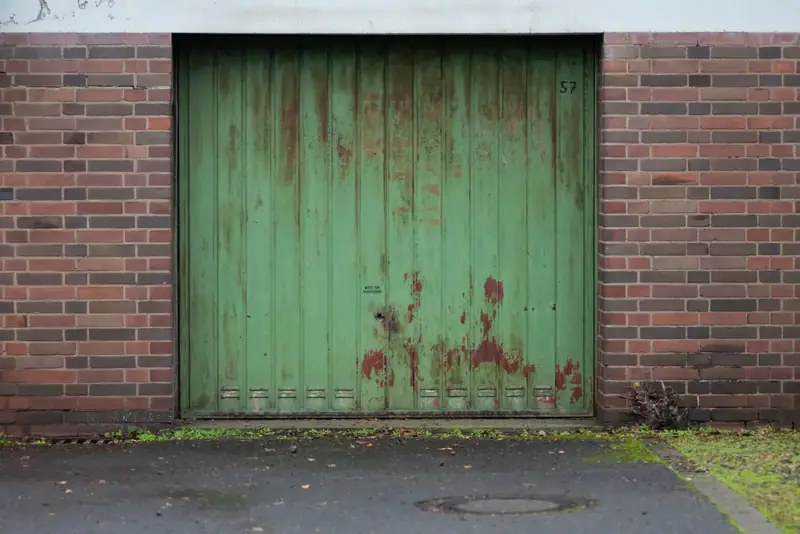
A rusted, faded door replaced with insulated raised-panel doors
Project notes
The starting point in this example is a door most people would recognize: paint chalked and flaking, rust bleeding from the fasteners and lower edge, and a face that has bowed slightly over the years. Doors in this condition are usually single-skin steel or untreated wood, with no insulation and very little left of the weather seals.
The replacement shown is a full changeout. The old door, track and springs come out together, the jambs are checked and re-trimmed where the old stop molding has rotted, and new insulated sections go in on new track with a correctly sized spring assembly. Window lites in the top section bring daylight into the garage.
What you see is a cleaner, brighter front to the building. What you feel is a garage that holds its temperature, a door that no longer booms when it moves, and hardware that will not need attention for a long while.
Illustrative example. These are licensed reference photographs chosen to show the kind of change this service makes. They are not photos of a specific Nashotah Garage Door customer's property.
Picking a replacement that suits a Wisconsin garage
Because we work in one climate, our recommendations are fairly consistent.
Insulation. Polyurethane foam, injected between the skins, gives the most insulation for a given thickness and bonds the door into one rigid unit. Polystyrene board is less expensive and still a large step up from nothing. For an attached garage we suggest polyurethane if the budget allows.
Thermal breaks and seals. Look for a door with a break between the inner and outer steel so cold does not conduct straight through, and with seals between the sections. Those section joints are where an inexpensive door leaks.
Finish. Factory-baked finishes on galvanized steel hold up well to salt. Darker colors show less road spray but absorb more summer heat on a south or west face, which matters more for doors with overlay trim. We will mention it if your exposure makes that a concern.
Wind. Properties near open water or on high ground take more wind than sheltered streets. Wider doors benefit from extra horizontal struts, and we add them where the exposure warrants.
Glass. Insulated glass costs a little more than single-pane and stops the windows from frosting on the inside.
Why the removal is the dangerous part
Taking down an old door is harder on the nerves than putting up a new one. The springs on a decades-old door are fatigued, the cones may be seized, and the cables and bottom brackets are often corroded. Releasing that tension safely takes proper winding bars, a clamped door and patience.
Old wood doors add another hazard, which is weight. A waterlogged wooden double door can weigh several hundred pounds, and it has to be lowered in pieces without the spring's help. This is not work for a pair of friends and a stepladder.
Professional replacement also covers the unglamorous part: disposal. Steel sections, springs and track are bulky, sharp and awkward, and we take all of it with us.
Frequently asked questions
Often, yes. We check that the opener is in good condition, has functioning safety sensors and suits the weight and height of the new door. If it passes, we reconnect it and reset its limits and force.
Almost certainly. Doors are made in a wide range of sizes and can be ordered to measure for unusual openings. Changing the size of the opening itself is a framing job, and we will advise if that is ever needed.
With basic maintenance, a good insulated steel door can serve for decades. The springs, rollers and seals are wear items and will be replaced a few times along the way.
Very little. The work is mostly unbolting and bolting. We sweep up, and the old door leaves with us.
Most manufacturers offer a broad color range, and many doors can be ordered in a custom color or painted after installation. Bring us the trim color and we will find the closest option.
If the opener stays, they keep working. If the opener is replaced, we program new remotes and a keypad and clear the old codes.